.png)
If you’re a farmer or run a lawn care business, you’ve probably seen this before: your mower no longer cuts cleanly – the grass tips look white and torn, the machine vibrates more than usual, and fuel consumption goes up. The problem is likely not the engine. It’s that small but critical part: the blade.
Many users only change oil and clean the air filter, but ignore the blade. A dull blade doesn’t just hurt the lawn – it slows down work and puts extra strain on the mower. On the other hand, a sharp blade cuts fast and clean. And if you, as a dealer, teach your end users this simple skill, their loyalty to your equipment will double.
Today we’ll break down blade sharpening into three steps. You don’t need a professional shop – just a bench vise, a file or angle grinder, and half an hour.
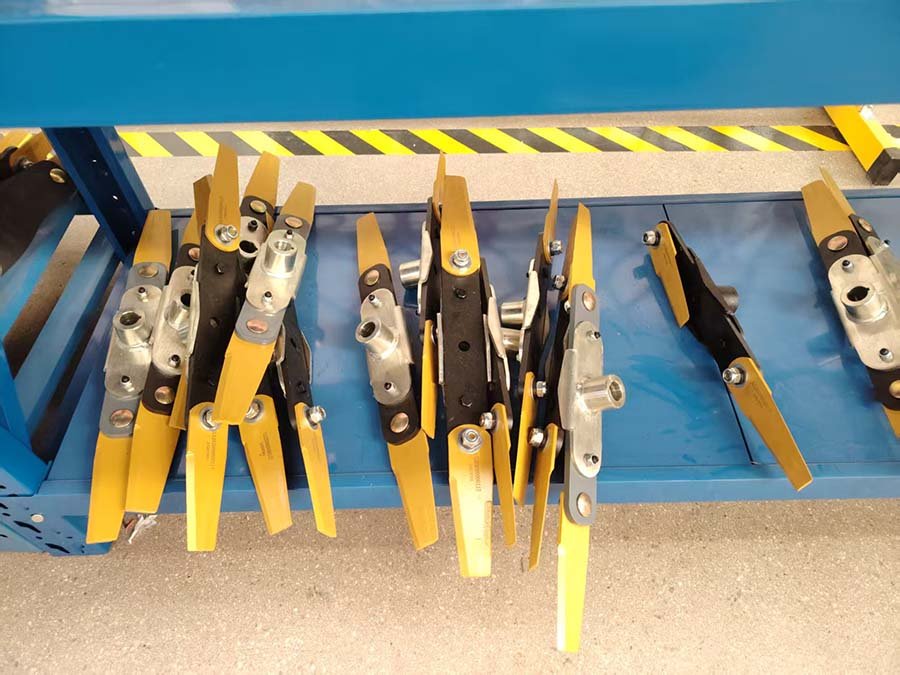
Step 1: Remove the blade safely – don’t skip five minutes of precaution
Before you flip the mower over, always disconnect the spark plug cap. This is non‑negotiable. A mower that starts accidentally is a meat grinder.
Then run the fuel tank dry or drain it to prevent fuel spill when tipped. Tilt the mower toward the air filter side (for walk‑behinds) and block it securely with wood blocks. For ride‑on mowers, raise the deck or use a jack and secure it with safety stands.
To remove the blade, use a block of wood to keep the blade from spinning, then loosen the centre bolt counter‑clockwise with a socket wrench. The bolt can be tight – spray some penetrating oil if needed. Once the blade is off, check it for cracks or bending. If it’s deformed or has a chip larger than 5 mm, don’t sharpen it – replace it. A new blade is much cheaper than a destroyed engine.
Step 2: Choose the right sharpening tool – you don’t need a mirror finish, just a sharp edge
For home use, three tools work best:
- Medium flat file – safest and most recommended. Good for light touch‑ups, and it won’t overheat the blade or ruin its temper.
- Angle grinder with a flap disc – fast, but you need a steady hand. Never use a cut‑off wheel or coarse grinding wheel – that will anneal the blade.
- Sharpening jig – fits on a bench grinder or drill, keeps a fixed angle, great for beginners.
Key rule: keep the original factory edge angle. Most mower blades have a 30° bevel – just grind along that bevel evenly. Do not change the angle. And never grind the flat side – that’s the balance side.
How sharp is sharp enough? Lightly drag your finger perpendicular to the edge (careful not to cut yourself). You should feel a slight, rough grip – it should catch your fingernail. You don’t need razor sharpness; an overly sharp edge will chip easily.
Step 3: Balance test – 90% of people skip this step
Many people sharpen the blade and bolt it straight back on. Then the mower shakes like a tractor. Why? Because removing metal makes one side lighter than the other.
Simple balance test: Clamp a round screwdriver or a smooth nail horizontally in a vise. Place the blade’s centre hole on the screwdriver shaft and let it rotate freely.
- If the same side always drops, that side is heavier – you need to remove more metal from it.
- Lightly grind the back side of the heavy side (not the cutting edge) , then test again. Repeat until the blade stays at any angle without noticeably dipping.
An unbalanced blade spinning at high speed will damage bearings badly and could even fly apart. Two minutes of balancing is cheap insurance for your crankshaft.
Bonus tip: How often should you sharpen?
- Home lawn: every 10‑15 mowing hours.
- Commercial use (landscape companies): check daily – sharpen every 2‑3 days or as soon as cut quality drops.
- After hitting a rock, root, or wire: check and sharpen immediately.
Why teaching your customers this skill builds your business
As a dealer, if you provide a simple sharpening video or include a “blade care card” with every new mower, your customers will see you as more than a seller. You’re someone who understands lawns and truly cares about their success.
Here’s the real payoff: when customers sharpen their blades regularly, their mowers use less fuel and last longer. They’ll think, “This brand is tough.” Next time they need a replacement machine or parts, you’ll be the first they call. And you can go a step further – offer a “maintenance kit” with blades, bolts, and a balancing tool. You serve your customers and boost repeat sales at the same time.
Summary
Sharpening a lawn mower blade isn’t rocket science – but it’s what separates “just using” from “using well”. Three simple steps: safe removal → sharpen evenly along the original angle → check balance. After sharpening, cut a few metres of grass and look at the tips. If they’re cleanly cut instead of torn, you’ve done it right.
Remember: a sharp blade grows a green advertisement for your lawn. A dull blade grows customer complaints. Spend half an hour teaching your users this little skill, and your machines will earn the reputation of being “reliable” in their hearts.
(If you have any questions about mower maintenance or bulk purchasing, feel free to contact our export team. We not only supply quality machines – we want to be the knowledgeable partner behind your business.)
-300x76.png)