.png)
One of the most frustrating problems with self-propelled mowers is drive wheel slippage. The engine is running, but the wheels either don’t turn or turn weakly, and on slightly sloped grass, the mower simply won’t move forward. Today, we’ll look at the two most common causes and walk through how to diagnose and fix the issue.
How to Tell If the Drive Wheels Are Slipping
Before you start taking things apart, do a quick symptom check:
Place the mower on flat ground, engage the self-propel function, and watch the wheels turn. Under normal conditions, both drive wheels should rotate together. Apply some resistance by pressing on the tire surface with your hand—if the wheel stops easily while the internal belt keeps spinning, something’s wrong in the drive system. If the mower struggles or hesitates noticeably on slopes, that’s also a strong sign of slippage.
There are two possible causes: the tires aren’t gripping the ground, or the power isn’t reaching the wheels at all.
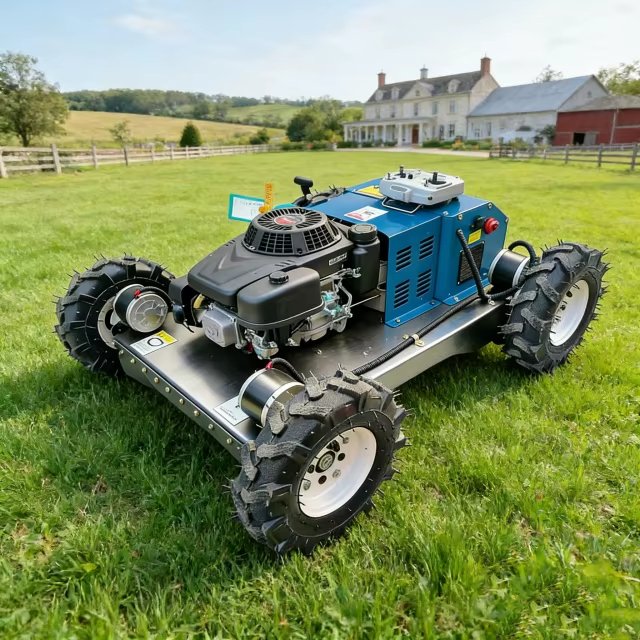
Case One: Worn or Aged Tire Treads
This is the easiest to diagnose and the simplest to fix.
The tread pattern on tires is what provides grip on wet grass, just like the soles of your shoes. Over time, treads wear down, and rubber hardens with age, causing a significant drop in traction. The problem is especially noticeable on dewy lawns in the early morning.
How to check: Tip the mower onto its side (air filter side up to prevent oil from flowing the wrong way) and inspect the drive wheel tread depth. If the pattern is nearly flat, or if you see cracking and hardening on the surface, it’s time to replace the tires.
How to fix: Replace both drive wheels with the manufacturer-specified size. Swap both sides at the same time—otherwise, uneven grip will cause the mower to pull to one side. Some models support upgrading to deeper off-road tread tires—if you’re frequently working on wet or sloped ground, this is worth considering.
Quick tip: Don’t wait until the tread is completely flat. Aged rubber hardens and loses elasticity, so even if the pattern looks okay, traction can still be poor. If your tires are more than three years old, check the rubber hardness.
Case Two: Gearbox Internal Slippage or Wear
If the tire treads are fine, the problem is likely in the gearbox.
The power flow in a self-propelled mower goes: Engine → Belt → Gearbox → Drive Wheels. Inside the gearbox, there are multiple gears and clutch mechanisms. Over time, gear teeth wear down or the clutch starts slipping, preventing power from reaching the wheels.
Common failure points:
- Worn gears: When tooth surfaces wear, they don’t mesh tightly, causing teeth to skip under load. You might hear a clicking noise when turning the drive wheel by hand, or feel excessive play.
- Clutch slipping: Many models use a centrifugal clutch inside the gearbox that disengages at low RPM. If the clutch spring weakens or the friction plate wears out, engine power won’t transfer to the gearbox.
- Missing lubricant: Low oil levels in the gearbox cause abnormal wear and can even burn out the gears.
How to check:
- Remove the gearbox cover and inspect the gear teeth. If you see obvious wear steps, chipped teeth, or metal shavings, the gears are damaged.
- Check the lubricant level in the gearbox. If it’s low or the oil has turned black and thick, it needs changing.
- Turn the drive wheel axle by hand—feel for abnormal play or binding.
How to fix:
- For minor wear: change the gearbox oil, using the manufacturer-specified grade and viscosity.
- For severe wear: replace the entire gear set or the complete gearbox assembly. Don’t replace just one damaged gear—mixing new and old gears causes poor meshing.
- For clutch failure: replace the clutch assembly or friction plate.
Quick tip: Gearbox repairs require precision. If you’re not familiar with the internal structure, it’s best to have a professional handle it. If you do it yourself, take photos during disassembly to record the order and orientation of each part.
The Often-Overlooked Middle Link
Sometimes both the tires and gearbox are fine, but the problem is the drive belt. A loose or worn belt reduces power transfer from the engine to the gearbox, resulting in insufficient torque at the wheels. Check the belt tension—if you see cracks on the inner surface or a shiny, hardened finish, replace it.
Also, check the key or shear pin on the drive wheel axle. If it’s worn or sheared off, the wheel will spin freely without driving the mower. This usually happens after the wheel mounting nut works loose—inspect the key while you’re at it.
Preventive Maintenance Tips
Slippage problems can largely be prevented with routine maintenance:
- Clean mud and grass clippings out of the tire treads after each use—it preserves grip
- Regularly check tire pressure (if using pneumatic tires)—low pressure reduces traction
- Change the gearbox oil at the intervals specified in the manual—don’t wait for problems to show up
- Avoid using self-propel on extremely slippery surfaces when possible—switch to push mode if necessary
Summary
Drive wheel slippage comes down to one of two things: tires that don’t grip, or power that doesn’t reach them. Check the tread first, then the gearbox, and don’t forget the belt and key pin in between. Follow this sequence, and you’ll find the root cause in most cases.
If your customers run into a similar issue, feel free to share this article with them. Many minor problems can be fixed on their own without a trip to the repair shop.
-300x76.png)