.png)
Lawn mowers work hard out in the fields and gardens – sun, dust, grass clippings, you name it. So it’s no surprise they occasionally act up. But before you call for service or haul the machine to a repair shop, take 10 minutes to check a few things yourself. Often the problem is just a clogged part, a loose screw, or an empty fuel tank.
Here’s a practical, no‑nonsense checklist to help you find the issue and get your mower back up and running.
- The mower won’t start (pull cord is stuck, or pulls but engine doesn’t fire)
This is the most frustrating problem, but in most cases it’s easy to fix.
- Check the fuel tank
Sounds obvious, but plenty of people forget to check the fuel level. Look at the gauge or just open the cap. If you’ve added fuel that’s been sitting for months, it may have gone bad. Use fresh petrol. - Spark plug – is it fouled or wet?
Unscrew the spark plug. If the tip is covered in black carbon or looks wet, clean it with a wire brush and dry it before reinstalling. If the electrode is badly worn, replace it – a new plug is cheap. - Air filter clogged?
Mowers work in dusty, grassy conditions, and the air filter gets choked with debris. Take it out and hold it up to light. Blow it clean with compressed air (or gently tap it on the ground). If it’s too dirty, replace it. - Throttle and shutoff switch in the right position?
Make sure the throttle is set to “Start” or “Choke closed”, and that the on/off switch isn’t accidentally turned off. Small details matter.
e. Pull cord won’t budge
This usually means grass or string is tangled under the deck, or worse, the engine is seized. Tip the mower over (with spark plug disconnected!) and clear any wrapping from the blade. If it’s still stuck, you may have an internal engine problem.
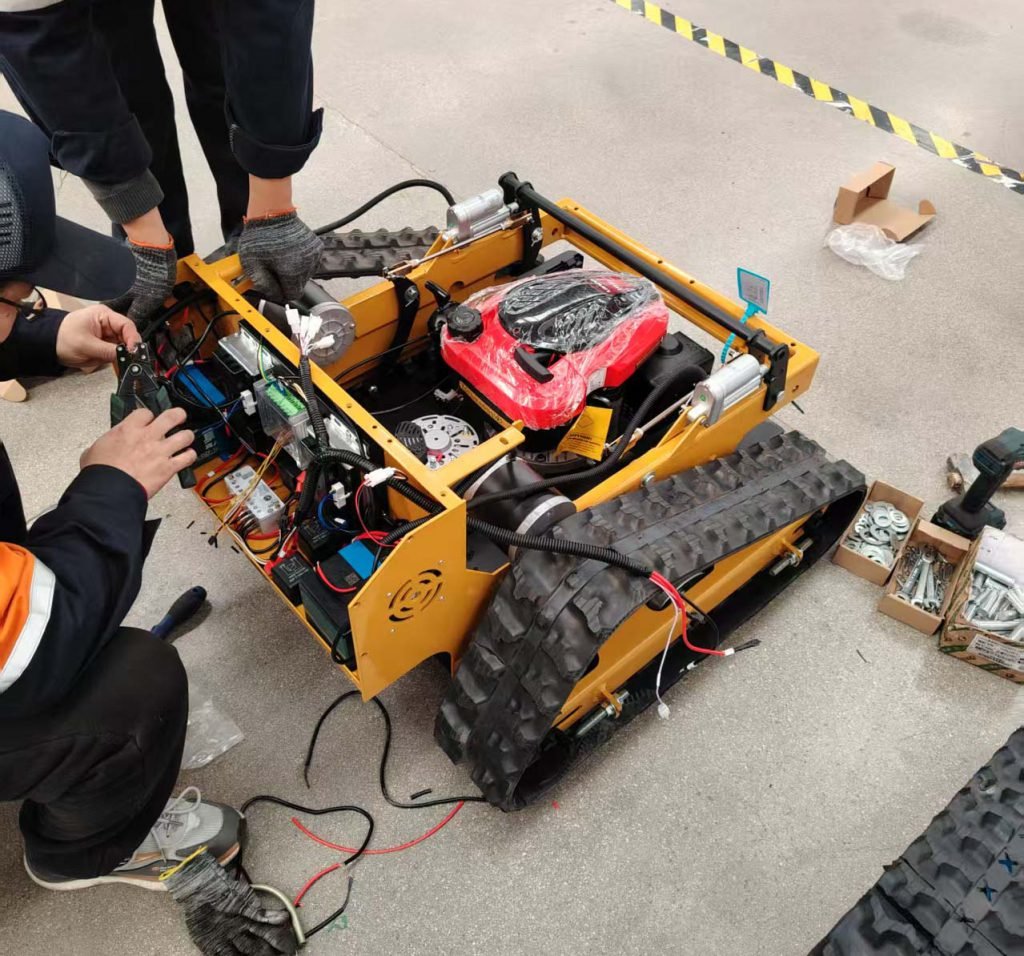
- Lacks power (low RPM, weak cutting, stalls easily)
If the mower feels sluggish and stalls in tall grass, the problem is almost always related to “breathing” or fuel supply.
- Air filter again – yes, really
A dirty air filter starves the engine of air, just like running with a mask on. This is the #1 cause of low power. - Fuel system issues
Check for air bubbles or debris in the fuel line. If your mower has a primer bulb, press it a few times to push fresh fuel through. If the mower sat unused for a long time, old fuel may have gummed up the carburetor. Letting the engine run for a few minutes sometimes clears it – otherwise you’ll need a carb cleaning. - Dull blade
This one is easily overlooked. A blunt blade tears grass instead of cutting it, creating huge resistance. Tip the mower over, inspect the blade edge. If it’s rolled over or nicked, sharpen it or fit a new blade. You’ll feel the power return immediately. - Grass too tall or too wet
Don’t fight the machine. Knee‑high grass or wet grass after rain is tough for any mower. Raise the cutting height and take two passes, or wait until the grass dries out. - Unusual noise (metallic knocking, excessive vibration, strange sounds)
Never ignore odd noises. The mower is telling you something is loose, hitting something, or about to break.
- Loose blade bolt or bent blade
A “clunk‑clunk” metal sound usually means the blade bolt has loosened, or the blade has hit a rock and bent. Stop immediately. Tighten the bolt. If the blade is visibly bent or cracked, replace it – a blade spinning at high speed can become a dangerous projectile. - Loose engine mounting bolts
If the whole machine vibrates more than usual with a humming or buzzing resonance, go around and tighten all the bolts that hold the engine to the deck. That often solves it. - Worn bearings
A squeaking or grinding sound points to worn bearings – either in the blade spindle or the wheels. Spin each wheel by hand. If it feels rough or has too much play, replace the bearing. - Debris stuck under the deck
You might have run over a stone, a stick, or even a piece of broken blade. First, disconnect the spark plug cap (safety first!). Then tip the mower over and carefully remove any foreign objects from the deck.
A few final words
The checks above cover more than 90% of common small problems. Go through them in order – in most cases you’ll fix the issue yourself, saving time and money.
If you’ve tried everything and the mower still won’t behave (serious internal damage like a seized piston, bent crankshaft, or broken transmission gears), that’s beyond DIY. Call a professional.
Quick daily care tips:
- Clean grass clippings off the underside of the deck after each use
- Change the oil and check the spark plug every 25 hours
- Replace the air filter every 50 hours
- Before winter storage, drain the fuel tank or add a fuel stabiliser
May your mower start on the first pull every time, and get the job done without fuss. If you’re ever unsure, feel free to contact our technical team. We can do a video call and walk you through the diagnosis.
Wishing you good business and smooth, level lawns.
— Your lawn mower export team
-300x76.png)